How to Get Organised and Stay Organised at Work

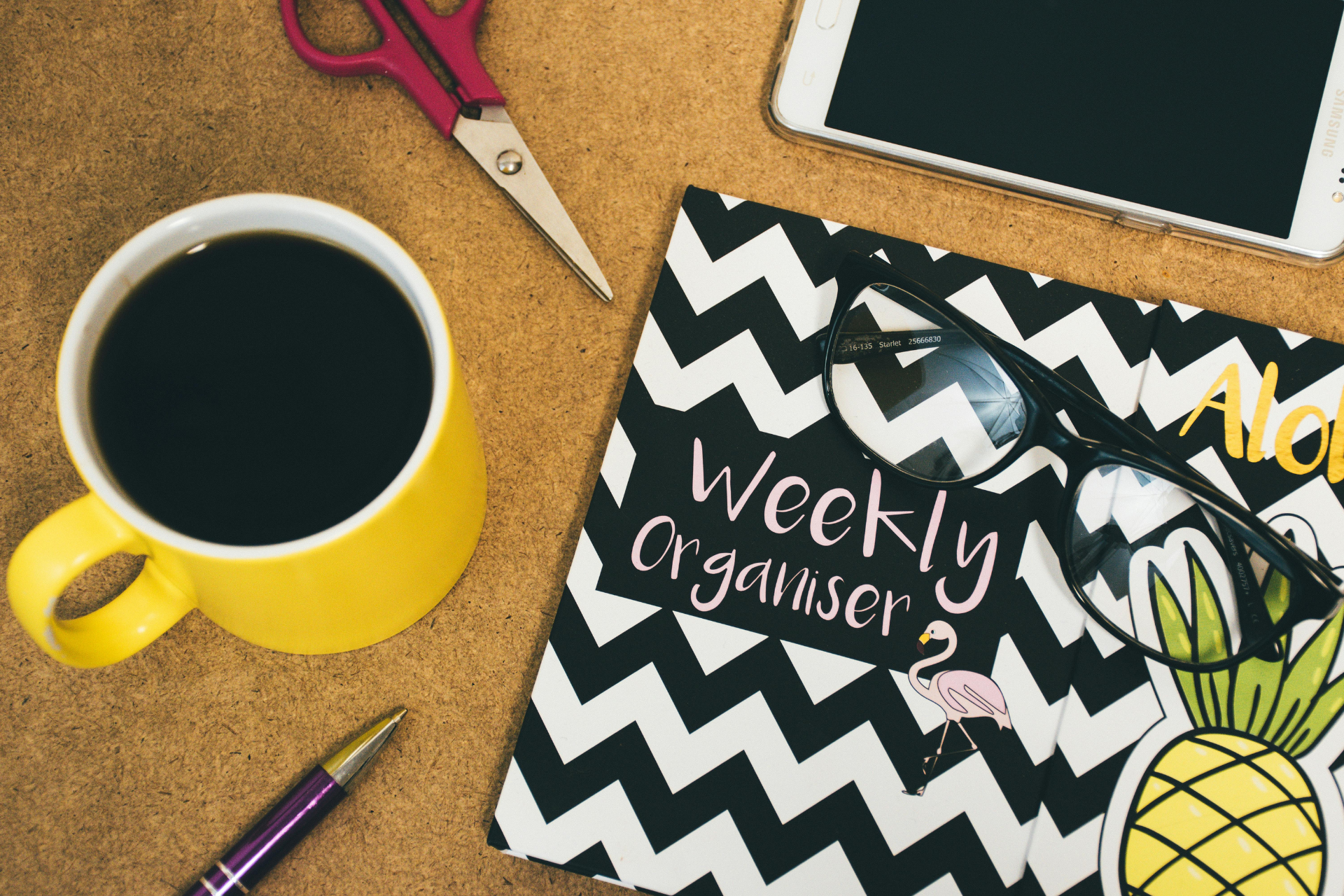
Feeling on top of your workday can be incredibly satisfying, but if your desk is cluttered, your inbox is overflowing, and you’re constantly forgetting tasks, it can also be a huge source of stress. Getting organised at work—and maintaining that organisation—isn’t about perfection; it’s about creating habits that keep your day running smoothly and your mind clear. Here’s how you can do it.
Getting Organised
Clear the clutter
Start by removing unnecessary items from your workspace. Papers, old files, and random office supplies can pile up quickly, making it hard to focus. Keep only what you use regularly or truly need. For items you’re unsure about, create a “maybe” box and revisit it in a few months—if you haven’t used the items by then, it’s time to let them go. A simplified space is the first step toward effective organisation.
Back to basics: jot it down
Your thoughts, ideas, and tasks don’t belong in your head—they belong on paper or in a digital tool. Keep a notebook or use a task management app to track to-dos, deadlines, and brainstorms. Breaking tasks into actionable steps and crossing them off your list gives a sense of accomplishment and keeps priorities clear.
Clean as you go
Organisation is a habit, not a one-time event. Put files, documents, and supplies back in their place immediately instead of letting them pile up. Simple routines like tidying your desk at the end of the day or filing emails as they arrive prevent clutter from taking over.
Work in stages
Don’t try to organise everything at once. Break your workspace, projects, or to-do list into smaller sections and tackle them one by one. Focusing on manageable sections prevents overwhelm and keeps progress steady.
Use technology to your advantage
Take advantage of digital tools. Calendar apps, project management software, and reminders help you keep deadlines and meetings in order. Automating recurring tasks, like expense reporting or report submissions, can save time and reduce mental load.
Plan ahead
Organising isn’t just about the day-to-day—it’s about foresight. Schedule meetings, deadlines, and important events in advance. This reduces stress, prevents last-minute scrambles, and helps you stay in control of your workload.
Prepare the night before
End-of-day preparation can make mornings easier. Review your schedule, organise documents, and plan tasks for the next day. Having a clear plan helps you start the day focused and reduces the chaos of forgetting important items.

Staying Organised
Commit to the habit
Organisation is only effective if it’s consistent. Keep refining your routines until they become second nature. Treat organisation as a skill you’re continuously improving, not a one-off task.
Avoid procrastination
Identify behaviours that derail your productivity, like delaying tasks or letting clutter accumulate, and consciously correct them. Reward yourself when you maintain your routines, small celebrations reinforce good habits.
Involve others
Teamwork can support your organisation. Encourage colleagues to follow similar routines, share resources efficiently, and communicate clearly. If you’re in a leadership role, modelling organised behaviour sets a positive example and strengthens the team’s overall productivity.
Think before acquiring
Be mindful of new items, whether office supplies or digital tools. Ask yourself if they serve a purpose or will add to the clutter. Avoiding unnecessary accumulation helps maintain the order you’ve worked hard to create.
Getting organised at work isn’t about having a perfect desk or never missing a deadline. It’s about building habits that make your day more manageable, keeping your tasks clear, and creating a workspace that supports focus and efficiency. By reducing clutter, planning ahead, using technology wisely, and committing to consistent routines, you’ll not only get organised—but stay organised.